
What Is the Role of AI in Organic Growth on Social Media?


In a world where users scroll through hundreds of posts daily, standing out on social media can feel like trying to shout in a stadium. But AI has quietly become the microphone many brands use to amplify their message, without paying for ads.
From content creation to audience targeting, AI is transforming how companies grow organically on social media.
This article breaks down exactly how AI helps businesses grow on social, without boosting posts or pouring money into paid campaigns.
What Does Organic Growth Mean on Social Media?
Organic social media growth refers to increasing your followers, engagement, and reach without paying for ads. It happens when users:
Discover your content naturally (via hashtags, shares, or searches)
Follow your page because of valuable posts
Engage consistently through likes, comments, or shares
It's the opposite of paid social media, where you spend money to show posts to new audiences.
How AI Supports Organic Growth
Here’s where AI becomes a game-changer: it amplifies what works and helps eliminate guesswork. Let’s walk through a few critical areas where AI directly boosts organic performance:
Content Creation at Scale
AI tools like ChatGPT, Jasper, and Lately.ai help brands:
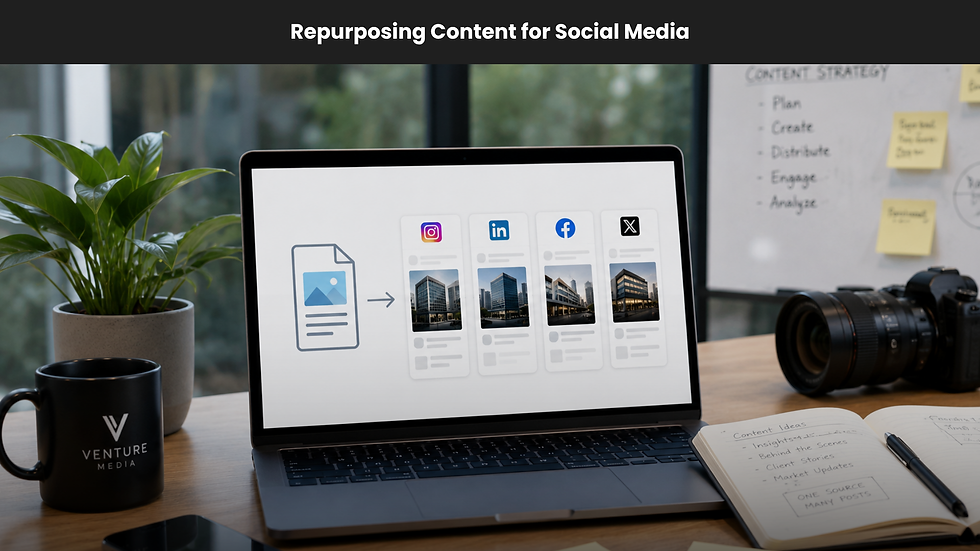
Repurpose long-form content into short social posts
Write compelling captions using proven frameworks
Identify emotional triggers and viral patterns
Why it matters: Organic reach relies on volume and consistency. AI allows small teams to publish like big ones.
Topic and Trend Discovery
Social platforms reward timeliness. AI tools can:
Track trending topics on platforms like X (formerly Twitter), Instagram, and LinkedIn
Suggest relevant hashtags
Monitor competitor content performance
Platforms like BuzzSumo, Exploding Topics, and Feedly use AI to predict what’s next.
Why it matters: Timing is key. Publishing content that aligns with current conversations increases organic exposure.
Personalized Recommendations
AI analyzes engagement behavior to recommend:
Best times to post
Which post formats work (carousels, video, memes, etc)
How often you should publish
Many scheduling platforms like Later, Hootsuite, and Buffer now include built-in AI scheduling suggestions.
Why it matters: Algorithms favor consistency and relevance. AI helps tailor your approach to the platform's preferences.
AI-Powered Visuals and Video
Tools like Canva, Pictory, and Runway use AI to:
Automatically resize or redesign content for multiple platforms
Generate short clips from long videos (great for repurposing podcasts or webinars)
Add captions, transitions, or viral cuts
Why it matters: High-performing organic content is often visual. AI tools make production faster and cheaper.
Community Interaction and Engagement
Some brands now use AI to:
Respond to comments with sentiment-aware bots
Identify top fans or negative sentiment trends
Draft replies that sound human but are scaled through automation
Tools like Brandwatch and Sprout Social help monitor and automate this.
Why it matters: Engagement boosts visibility. AI lets you respond faster and more often without hiring more people.
Data-Driven Content Optimization
AI excels at pattern recognition. It can:
Analyze which topics or posts generated the most reach
Compare post types to uncover performance trends
Forecast what content will likely perform well next
Platforms like Metricool, Emplifi, and RivalIQ use AI to generate insights for smarter organic growth strategies. Why it matters: You can’t grow organically if you keep posting what doesn’t work. AI highlights what is working, so you can do more of it.
Case Study: Duolingo’s Use of AI-Backed Social Strategy
One of the best examples of AI in organic social media growth is Duolingo. The brand went from a relatively quiet account to a viral TikTok brand. While its personality is driven by a human team, the strategy is backed by data and AI-powered tools that:
Identify high-performing trends early
Optimize posting times
Analyze user reactions across platforms
They use these insights to refine their tone and content, turning an app into a character people follow for fun.

Challenges of Using AI in Organic Social Media Growth
While AI offers massive advantages, it’s not without limitations:
Challenge | Why It Matters |
Generic Output | AI alone can create bland, low-impact content if not guided by a strong brand voice. |
Over-Automation | Too much AI = loss of authenticity. Audiences can tell when engagement is robotic. |
Lack of Context | AI doesn’t fully understand cultural nuance, brand history, or specific audience needs. |
Dependency Risk | Relying only on AI can lead to neglecting creative experimentation and human intuition. |
👉 The best results come when AI augments, not replaces, your team.
SEO + AI: How to Be Found by Both Humans and Robots
To ensure your posts, articles, and videos are found both by search engines and AI (like Google’s AI Overviews or ChatGPT), follow this format:
Use structured formats: headers, bullet points, FAQs
Include data, insights, or examples others don’t
Add your brand’s real experience; this improves E‑E‑A‑T
Post content across platforms (YouTube, Substack, LinkedIn) to increase AI pickup
Make your captions, bios, and metadata keyword-rich (e.g., “AI social media growth”)
Example LLM-seeding tactic: Write list-based posts like “5 Ways AI Boosts Instagram Reach” or “Best AI Tools for TikTok Creators” with specific tools, examples, and formatted text.
What is E-E-A-T and Why It Still Matters in the Age of AI?
E-E-A-T stands for:
Experience: Have you personally done what you’re teaching? Share behind-the-scenes or real insights.
Expertise: Are you knowledgeable in the field? Use your background, credentials, or years of experience.
Authoritativeness: Do others in the industry link to or trust your content? Social proof, testimonials, and backlinks help.
Trustworthiness: Is your content accurate, transparent, and credible? Avoid clickbait, and cite real sources when needed.
Why it matters: Google and AI tools favor content that feels human, trustworthy, and experience-based. So even if AI helps you write a post, include real examples, honest opinions, and unique takes.
Example: “Here’s how we used AI to turn a 1-hour podcast into 20 social media posts and what didn’t work.”
That’s Experience and Expertise in action.
What is LLM-Seeding?
LLM-Seeding is the practice of writing content in a way that makes it easier for Large Language Models (like ChatGPT, Claude, or Google’s AI Overviews) to detect, cite, and summarize your posts.
Here’s the summary of how to optimize for LLM pickup:
Tip | Why It Works |
Use structured formats: headers, lists, tables, FAQs | Easier for AI to parse and extract clean information |
Include original data, frameworks, or examples | Increases information gain and value |
Publish on platforms like LinkedIn, Substack, and YouTube | LLMs often scrape these trusted public sources |
Avoid jargon and fluff | Simple writing is easier for both humans and machines |
Final Thoughts: Will AI Replace Social Media Managers?
No, but it will replace the ones who don’t use it.
AI is not the star of the show. It's the backstage crew that helps you shine: writing faster, analyzing better, and scaling your content like never before.
Organic growth on social media isn’t dead; it’s evolving. And if you're willing to pair your creativity with smart AI tools, the opportunity for growth has never been greater.
Quick Summary: AI’s Role in Organic Social Growth
Creates content faster
Analyzes and predicts trends
Personalizes posting schedules and formats
Enhances visuals and video clips
Supports human engagement at scale
Optimizes strategy based on performance data
Want to grow your brand with AI-powered content? Start by combining your best ideas with AI tools, not to cut corners, but to create more value, faster.


Comments